Shanghai: The City That Collected the Whole World
For many travellers, Shanghai is the first place in China that feels familiar — and the last one they expected. Colonial banks line the Bund, plane trees shade old villas on Wukang Road, and the scent of soup dumplings drifts out of lane-house kitchens. Give it two or three days, and it will give you an entrance to China you won't forget.
What to See 好玩的
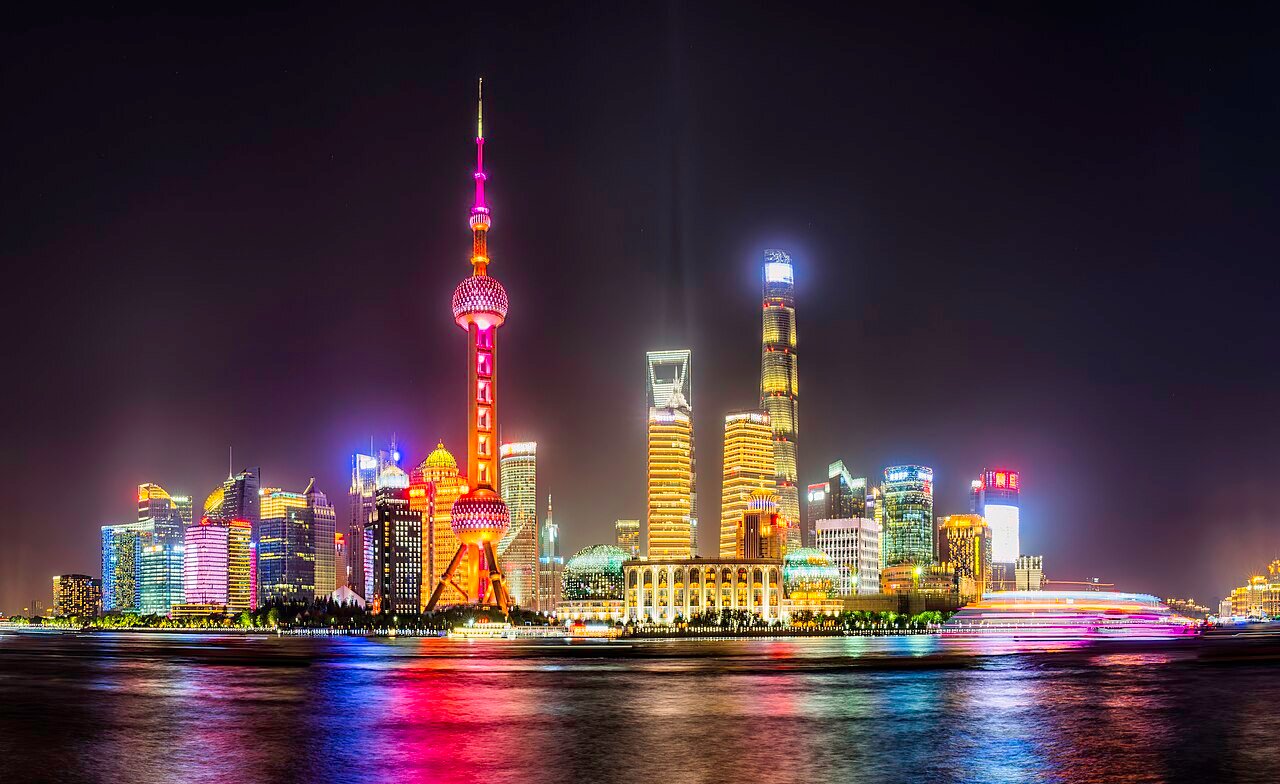
Go to the Bund at dusk. On one side, the stone banks of the old foreign concessions; on the other, the glass skyline of Pudong. When the lights come on, the whole city looks like it's putting on a show just for you.
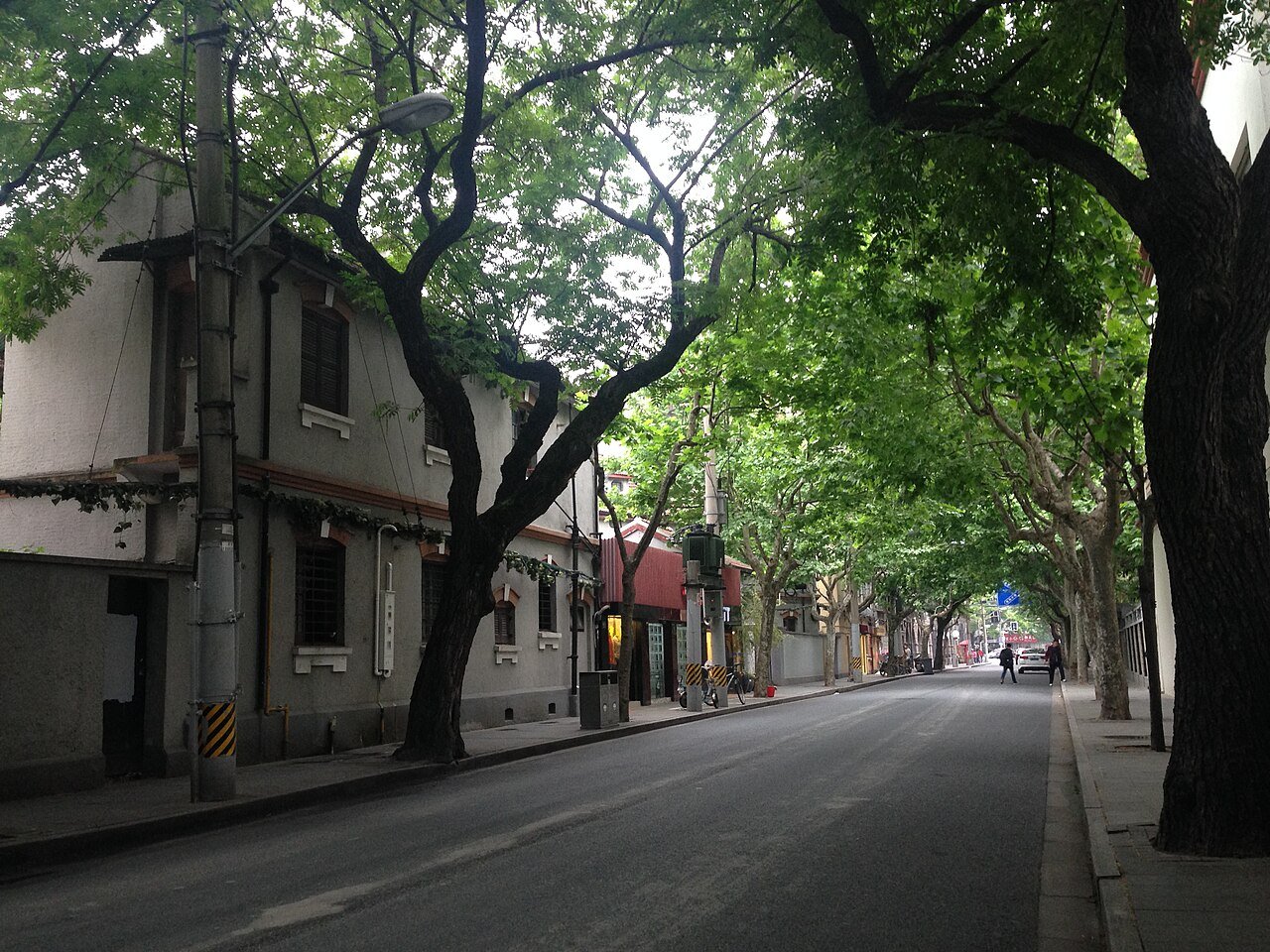
Wukang Road is the most beautiful street in Shanghai. Plane trees sieve the sunlight into gold, and the old villas hide cafés, bookshops and studios. Pause at the famous Wukang Mansion corner for a photo — it's the city's best-known street view.
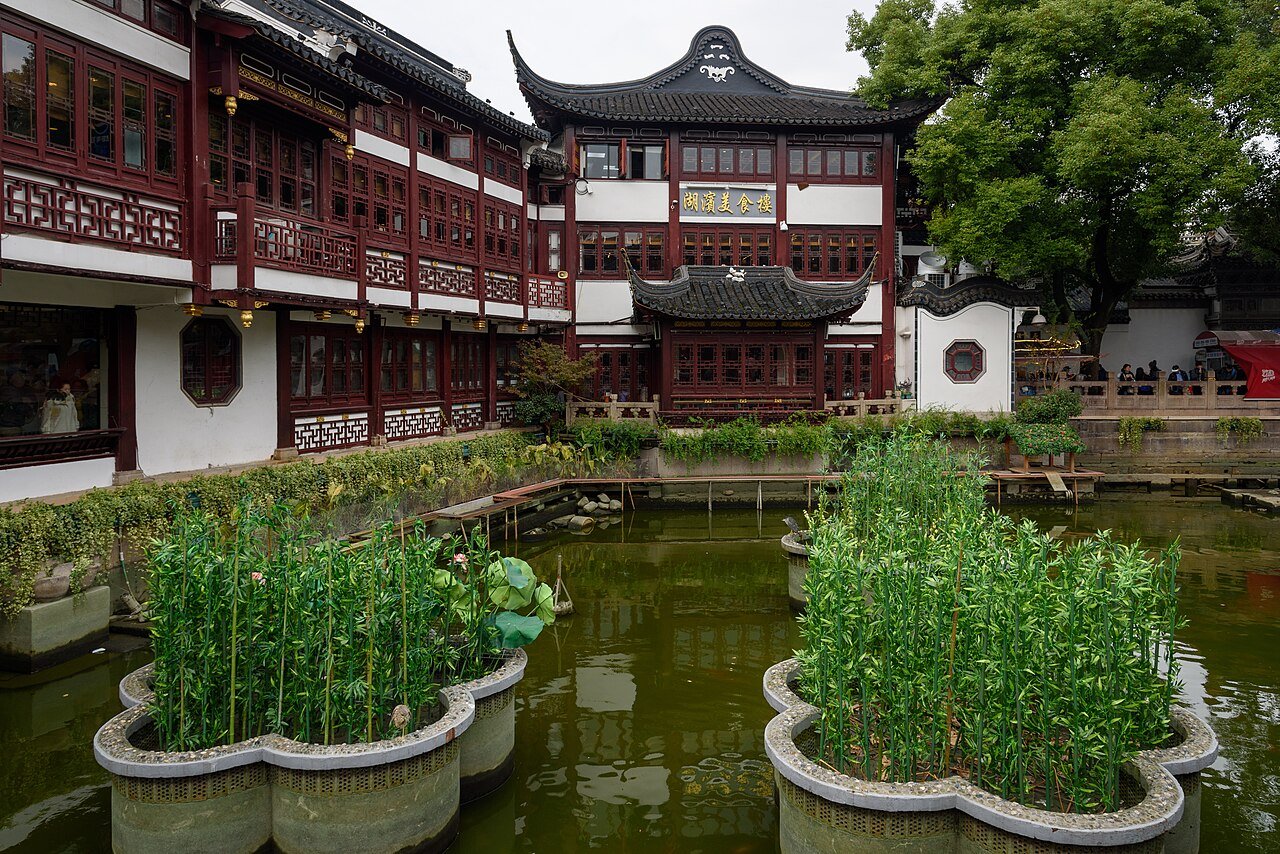
Yu Garden is a Ming-dynasty garden tucked inside the old city. Rockeries, koi ponds and the zigzag bridge — a quiet pocket that appears out of nowhere in the middle of the bustle. Go early, before the tour groups arrive.
The shikumen lanes were old Shanghai's real homes. Grey brick, black doors, brass rings, carved lintels with their own meanings. Xintiandi polished the style up, but the real life lives in the lanes behind it: laundry poles, bicycles, flowerpots on window ledges.
What to Eat 好吃的
Xiaolongbao is Shanghai's pride. Paper-thin wrappers holding a mouthful of hot pork broth. Shengjian are the pan-fried cousins — golden and crisp on the bottom, juicy inside, topped with sesame and scallion. Four for breakfast with a bowl of soy milk, and the day is sorted.
Yanduxian is a slow winter soup of cured pork, fresh pork and spring bamboo shoots. It's the taste of home for Shanghainese — no restaurant version beats the pot simmering in a family kitchen.
Folk Customs 民间习俗
The City God Temple fair runs every Chinese New Year: the temple quarter fills with lanterns and snack stalls, and the crowds on the zigzag bridge probably look exactly as they did in the Ming dynasty.
Huju opera grew from riverside folk songs into Shanghai's own opera, sung entirely in the Shanghai dialect. Today it survives in the old teahouses of Puxi — every note is the city's own accent.
Photos: The Bund at night, Wukang Road, Yu Garden, soup dumplings — via Wikimedia Commons, CC-licensed. Licenses and authors available on the original file pages.