Beijing: The China You Came For (and a Few Things Nobody Tells You)
Most people's first trip to China starts in Beijing, and honestly, that's the right call. This city squeezes five thousand years into a few walkable blocks: golden palace roofs, steamy hutong lanes, the Great Wall in the distance, and old guys sipping tea in the park like they've got nowhere to be. Give it three days and it'll give you stories for years.

What to See 好玩的
The Forbidden City deserves a full morning. Nine hundred buildings sounds like a lot, but the trick is to show up when the gates open, grab a guide at the entrance, and let the courtyards do the talking. The shadows at Meridian Gate, the huge empty square, the fake mountains in the imperial garden — you're literally walking through six hundred years.
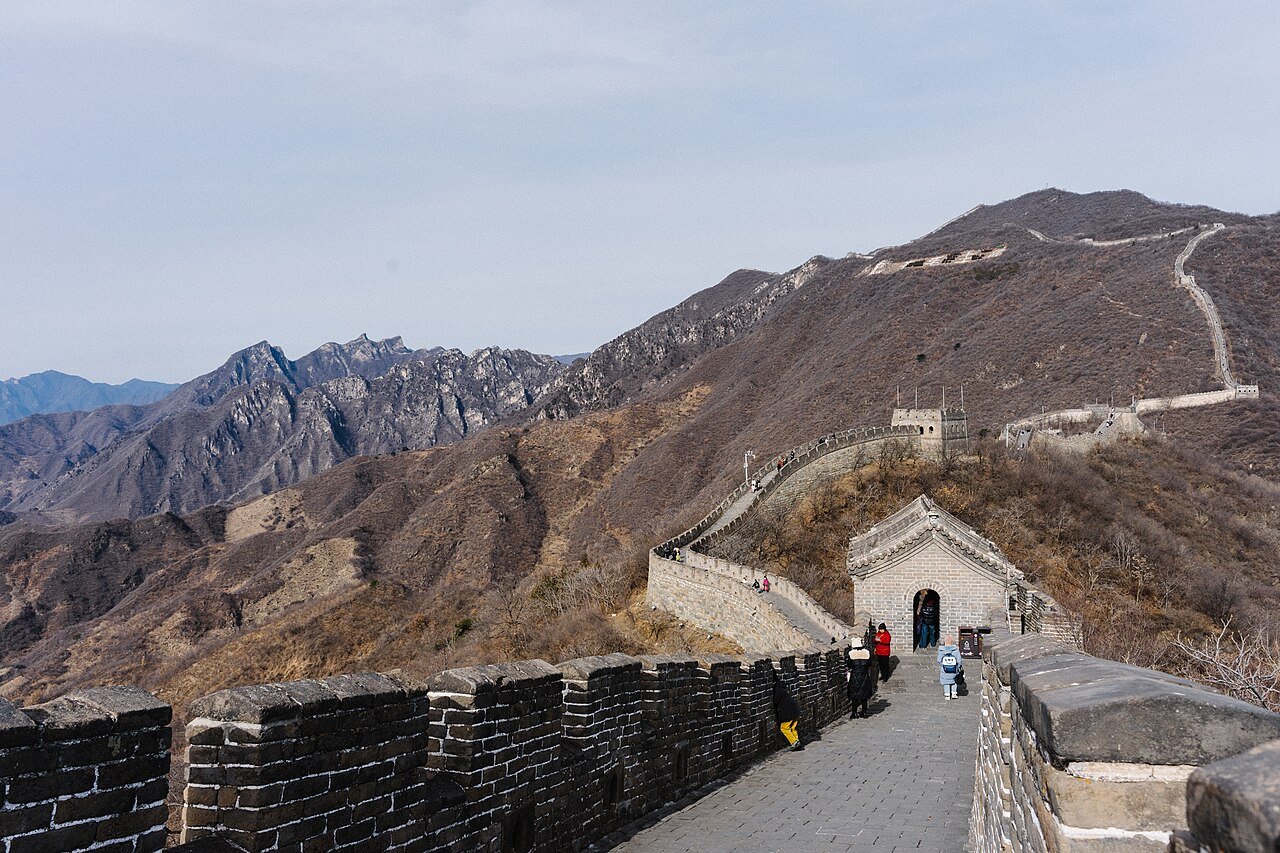
Mutianyu is the Great Wall section to pick for your first visit: half the crowds of Badaling, none of the postcard rush. Take the cable car up, walk along the wall, head down in the late afternoon. When the sunset hits those watchtowers, you'll get why they call it "great."
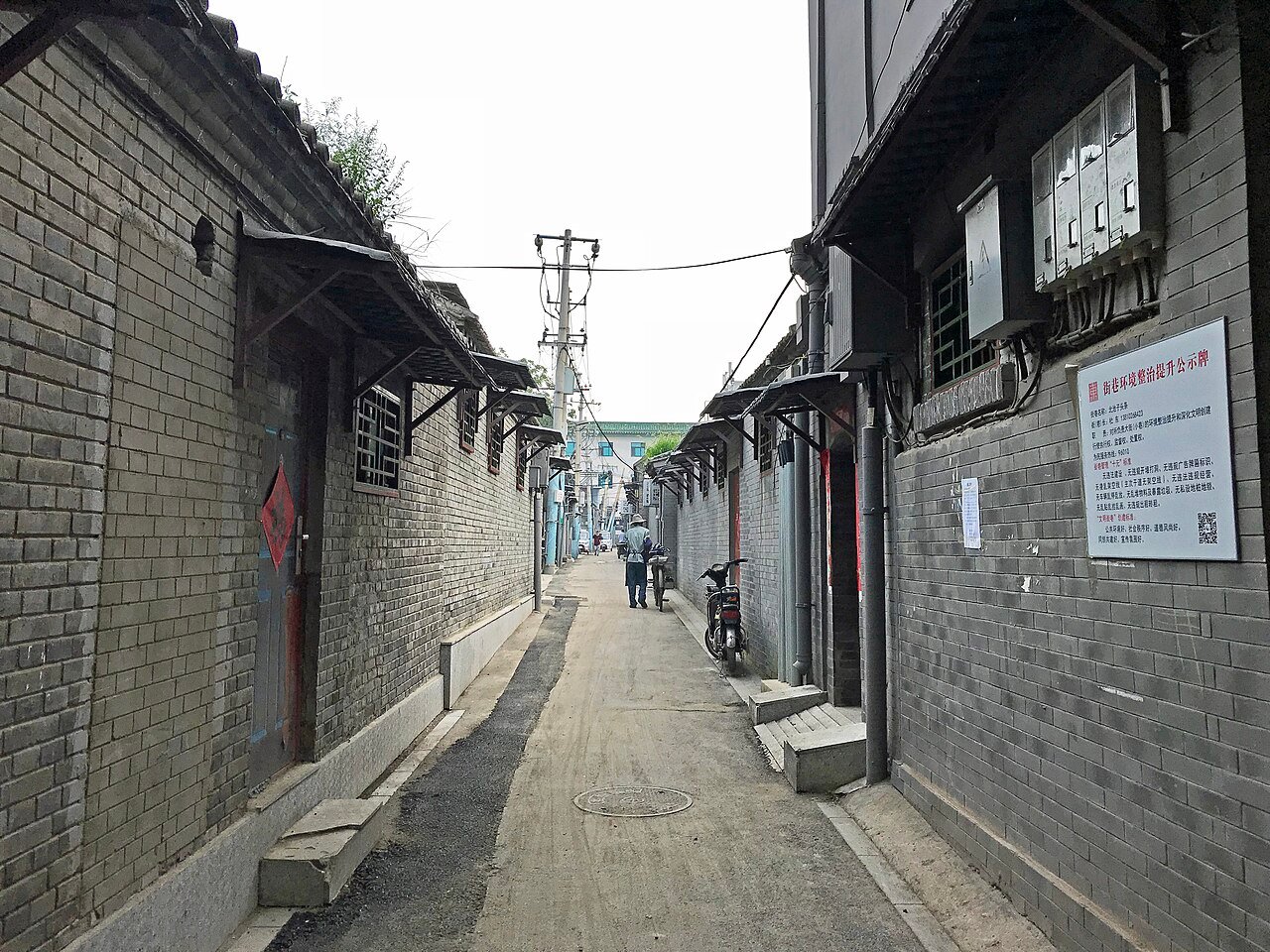
Then go find the hutongs — the old alley neighborhoods behind the main avenues. Rent a bike or hop in a rickshaw, and let the driver point out the carved doorways, the locust trees, the sounds of someone cooking dinner through an open window. Real Beijing life isn't in the sights. It's in the lanes.
What to Eat 好吃的
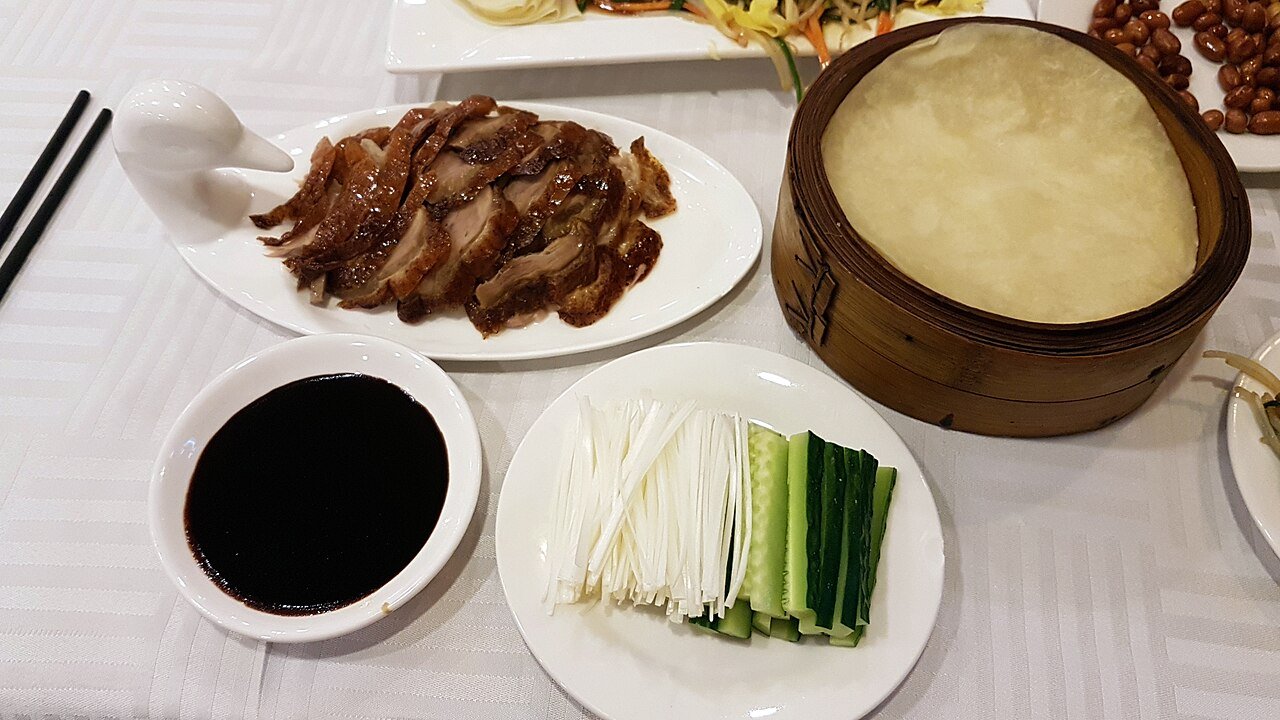
Peking duck is the ritual you can't skip: lacquered, mahogany skin carved right at your table, rolled into thin pancakes with scallion and sweet bean sauce. One bite and you get the hype. Zhajiangmian — noodles with fried soybean paste — is the actual everyday flavor of the city, the kind of bowl locals grow up on.
Folk Customs 民间习俗
Door piers are the easiest thing in Beijing to walk right past — and the most revealing. Those carved stone blocks at the gates of courtyard houses are basically ID cards: square ones meant a civilian family lived there, drum-shaped ones meant a military or aristocratic household. Old Beijing hands read the doorways the way you'd read a street sign.
Walking the birds is the city's early-morning ritual. Before the parks get busy, old men hang up their birdcages and stroll slowly through the trees, letting the songbirds warm up their voices. It's half about the birds, half about the pace — a pot of tea, a fan, a good bird, and the day is already a success.
Liulichang, the antiques street, runs on unspoken rules. The shopkeepers won't quote a price first. They watch how you pick things up instead: two hands, set it down gently, don't ask the price right away — that's how you signal you know what you're doing. It's less a shop than a test, and passing it is oddly satisfying.
Photos: Forbidden City panorama, Mutianyu Great Wall, Beijing hutong, Peking duck — via Wikimedia Commons, CC-licensed. Licenses and authors available on the original file pages.