Shanxi: Where China's Walls and Wallets Were Born
Shanxi is the province that built half of old China and quietly kept the receipts. Behind its loess hills sit the oldest wooden buildings in the country, the grandest merchant courtyards money could buy, and a noodle culture that turns a simple wheat field into an art form. Skip the clichés — this is the China of walls, vaults, and vinegar.
What to See 好玩的
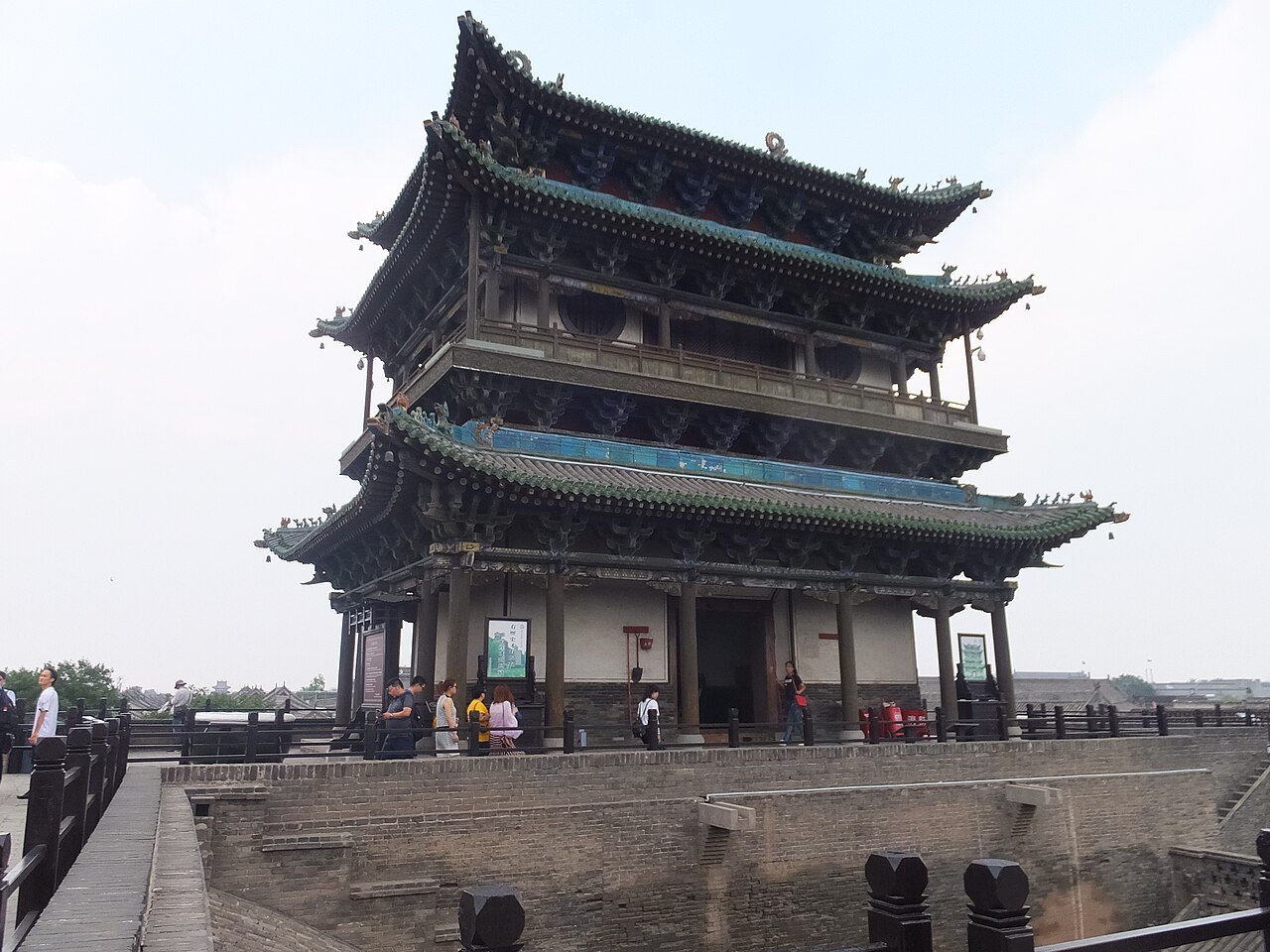
Pingyao is the best-preserved walled town in China, and it doesn't feel like a museum. The Ming city wall still wraps the whole old town; climb it at dusk when the courtyards below light up and the square towers cast long shadows. Inside, the streets haven't changed much since the days when this was the Wall Street of imperial China.
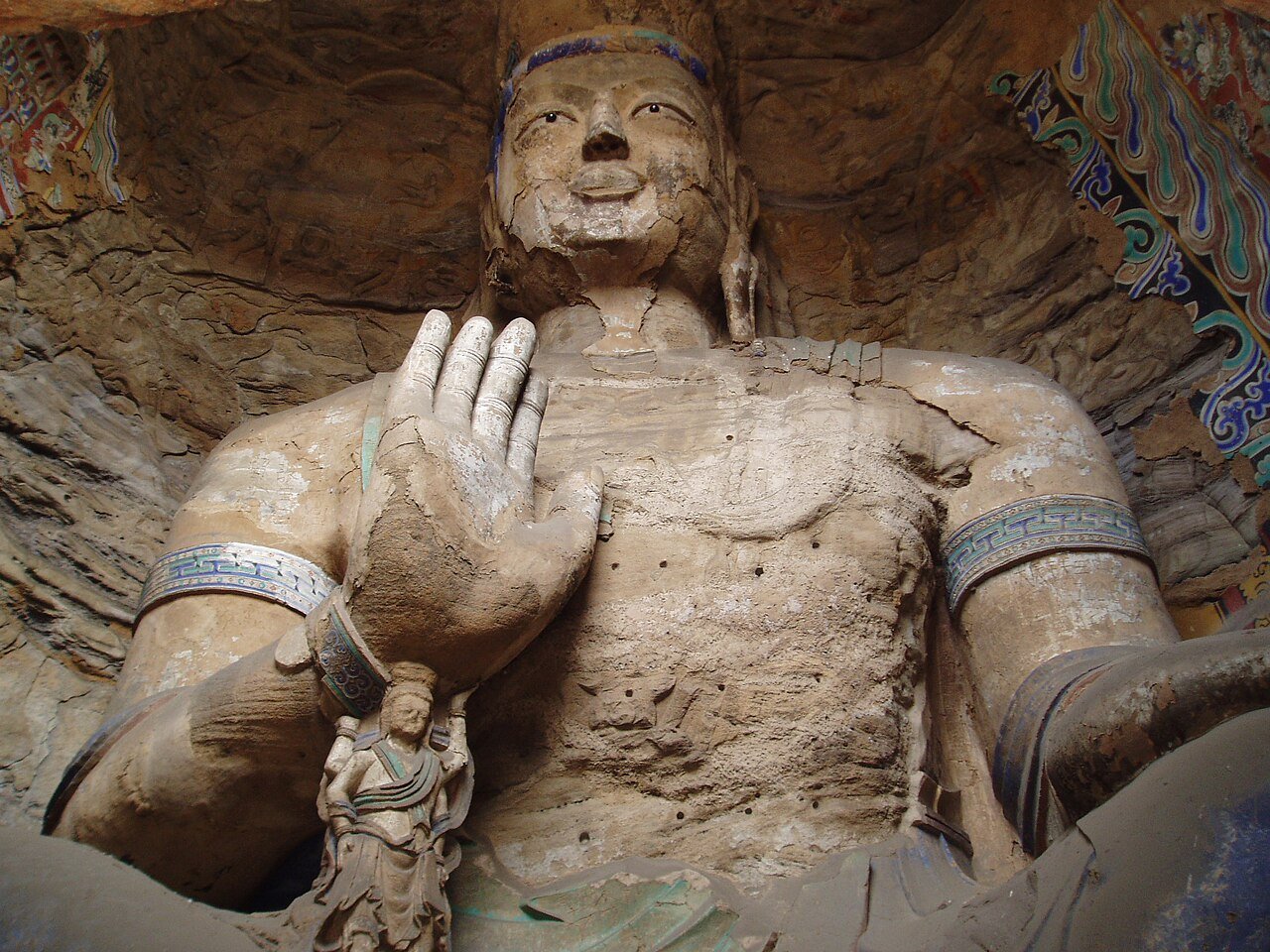
An hour from Datong, the Yungang Grottoes are a cliff full of Buddhas carved 1,500 years ago. Walk from cave to cave as the statues grow from a meter tall to seventeen — the biggest ones still painted in gold and lapis, staring out over the river valley like they've simply been waiting.
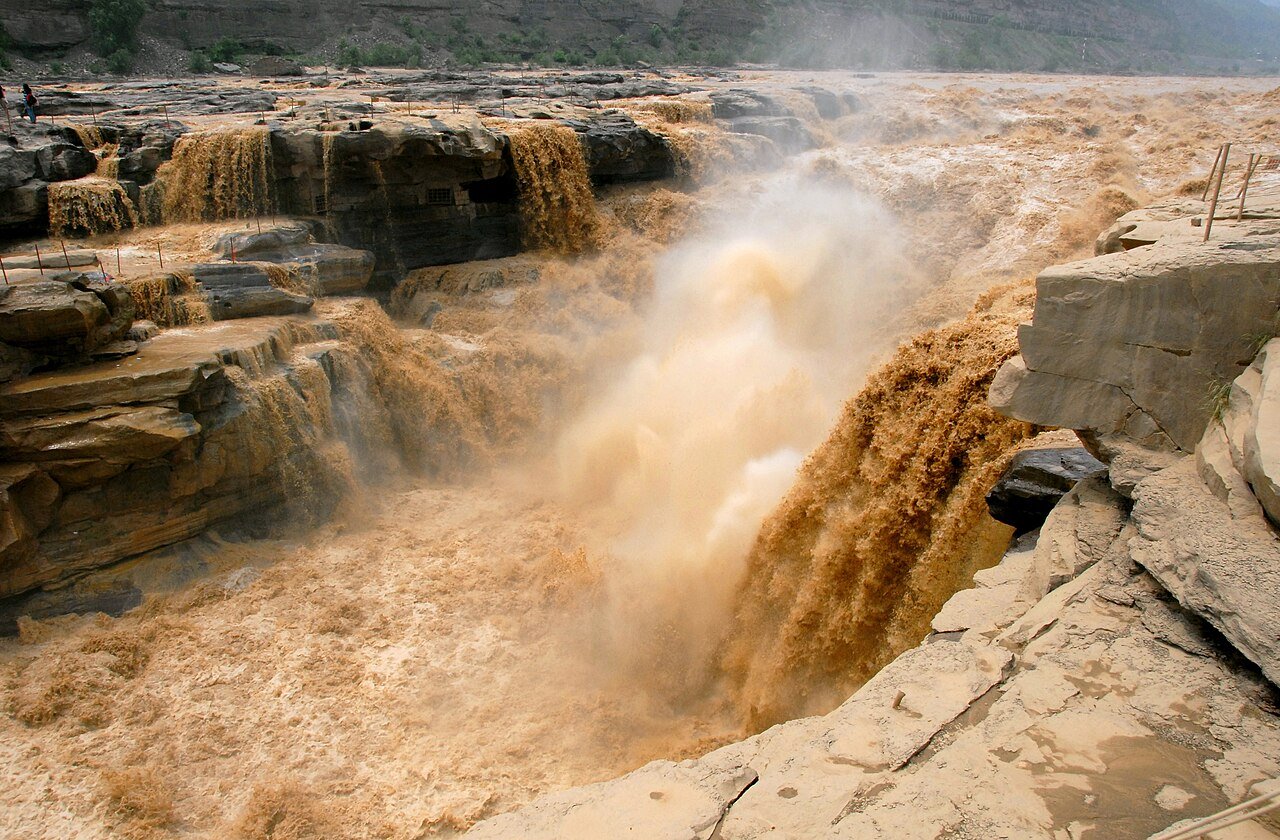
Then drive south to the Hukou Waterfall, where the Yellow River suddenly funnels into a narrow gorge and throws itself off a ledge with a roar you feel in your chest. In spring the water runs muddy and furious; in winter it freezes into blue-white curtains. Either way, it's the most dramatic spot on the whole river.
What to Eat 好吃的
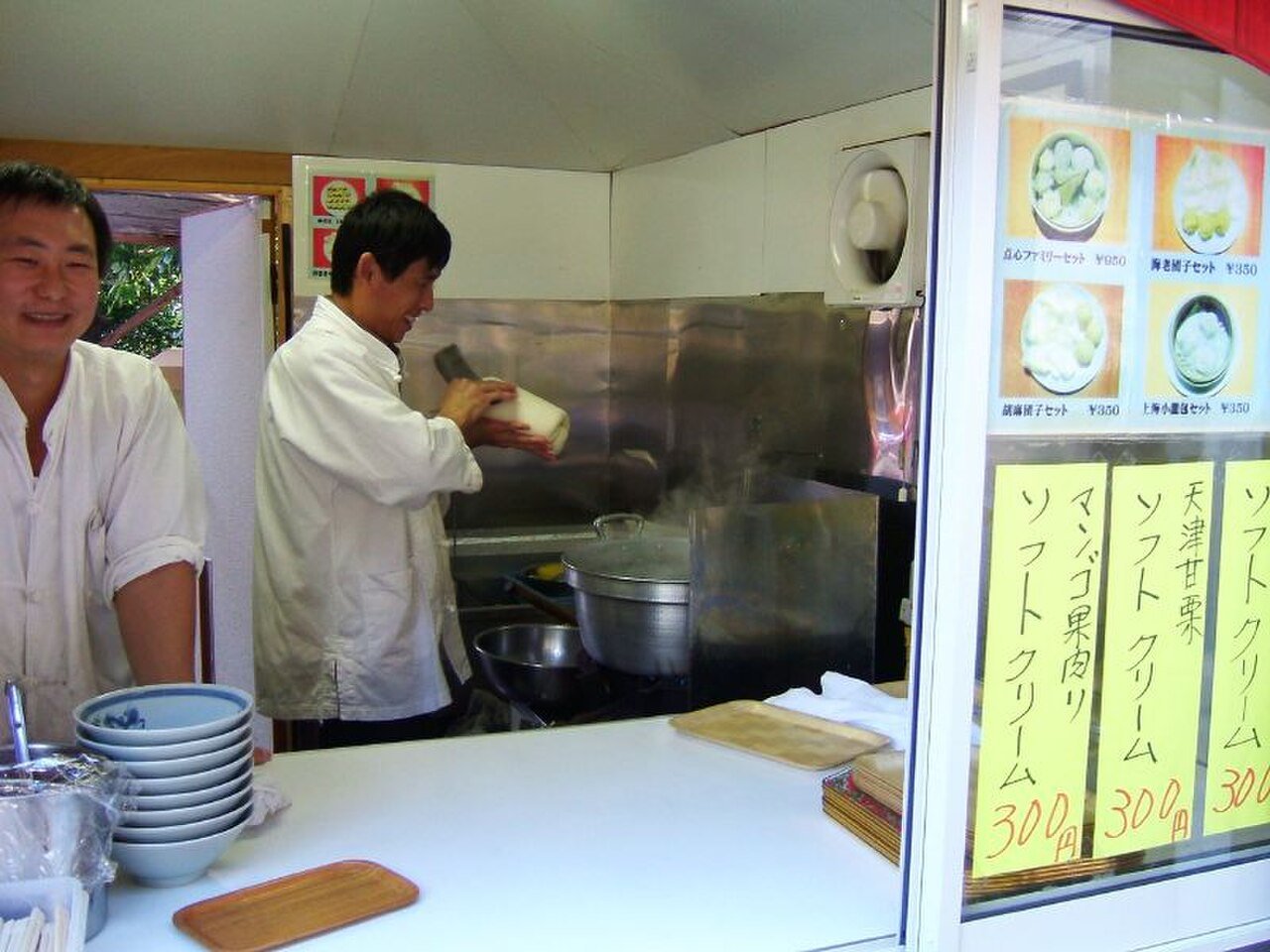
Daoxiaomian — knife-cut noodles — are Shanxi's signature, and watching them made is half the meal. The cook holds a dough slab against his forearm and shaves ribbons straight into the boiling pot, each one landing with a satisfying rhythm. They come out chewy and uneven, tossed with tomato, egg, or a slick of lamb gravy.
Guoyourou is the province's answer to sweet-and-sour: thin pork slices double-fried until the edges caramelize, glossed in a sweet vinegar glaze. It sounds simple and tastes like a secret. And everywhere you sit down, there's vinegar — Shanxi is the vinegar capital of China, and locals splash it onto noodles, dumplings, even fruit like it's water.
Folk Customs 民间习俗
Shanxi's merchant culture isn't a folk tale — it's the reason the province looks the way it does. The piaohao, China's first banking system, started here in the 1820s, moving silver across the empire on paper promises. In Pingyao, the old exchange houses still stand, their courtyard gates telling you how wealthy each family was: the higher the step, the richer the house.
"One flour, a hundred shapes" is the Shanxi motto — one dough, and locals will make you a hundred different noodles from it: cat-ear, knife-cut, shaved, pressed, hand-pulled, and a dozen more with names that sound like recipes for dancing. Counting them is a local party trick, and every family insists its own version is the true one.
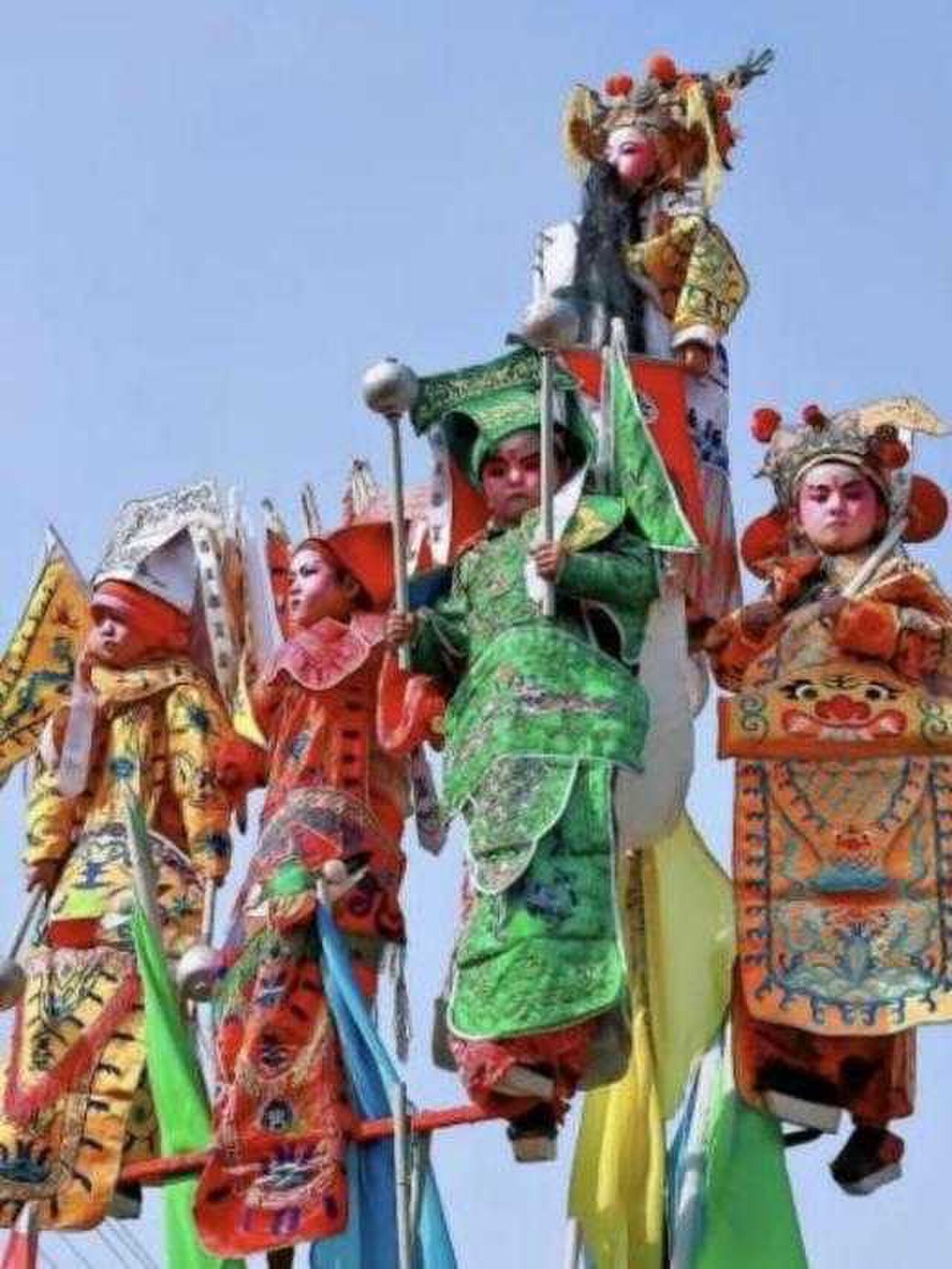
And at New Year, the villages explode into shehuo — a roaring, smoky folk carnival of stilt-walkers, drum teams, and performers who swallow fire and dance on ice. In some mountain towns they build towering frames of benches and set them alight, spinning performers on top. It's loud, chaotic, and utterly unforgettable.